Low Income Subsidy Explained
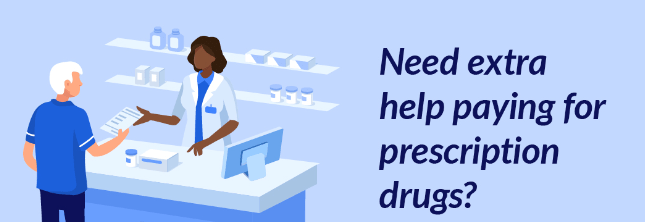
The Low Income Subsidy (LIS), also known as Extra Help, is a program in the United States that helps eligible individuals with limited income and resources pay for their prescription drug costs under the Medicare Part D program. Medicare Part D is the prescription drug coverage program provided by the federal government.
The main purpose of the Low Income Subsidy is to ensure that individuals with lower incomes have access to necessary medications at an affordable cost. The program helps reduce or eliminate the out-of-pocket expenses such as premiums, deductibles, and co-payments that participants would typically have to pay under Medicare Part D.
To be eligible for the Low Income Subsidy, individuals must meet certain income and asset criteria. These criteria are reviewed annually and may change slightly from year to year. The income and asset limits are set by the federal government and are based on the Federal Poverty Level (FPL).
In general, to qualify for the Low Income Subsidy, individuals must have an income below a certain threshold, which is typically set at 150% of the FPL. The asset limit is also taken into consideration, and it includes resources such as savings, investments, and real estate (excluding the primary residence and certain other assets).
If individuals meet the eligibility criteria, they can receive various forms of assistance through the Low Income Subsidy. This assistance can include:
- Full or partial coverage of the monthly premium for the Medicare Part D prescription drug plan.
- Reduction or elimination of the annual deductible.
- Lower co-payments or coinsurance amounts for prescription drugs.
- No coverage gap (also known as the “donut hole”) for prescription drugs. The coverage gap is a temporary limit on what the drug plan will cover, but with the Low Income Subsidy, participants can bypass this gap and continue receiving coverage.
We help you find the right Insurance plans
Dedicated and Caring Support Team
Helping you make the right decision is our #1 Goal

Jacquelyn S
Memphis, TN
“Best Options really is the BEST OPTIONS! I’ve been with Best Options for over 5 years. My agent Marsha Johnson has taken care of all of my insurance needs. I am very happy I saw her.”